Moving to Florida without visiting first may be necessary because of a new job, family responsibilities, military orders or a limited relocation budget. Online listings and neighborhood videos make remote research easier, but they cannot show every condition that could affect your daily life.
Florida communities differ considerably in housing costs, storm exposure, transportation, employment and access to essential services. Even neighboring cities can provide noticeably different living experiences. Before signing a lease or buying a home remotely, research the practical details that property photographs often leave out.
Compare Florida Regions Before Choosing a City
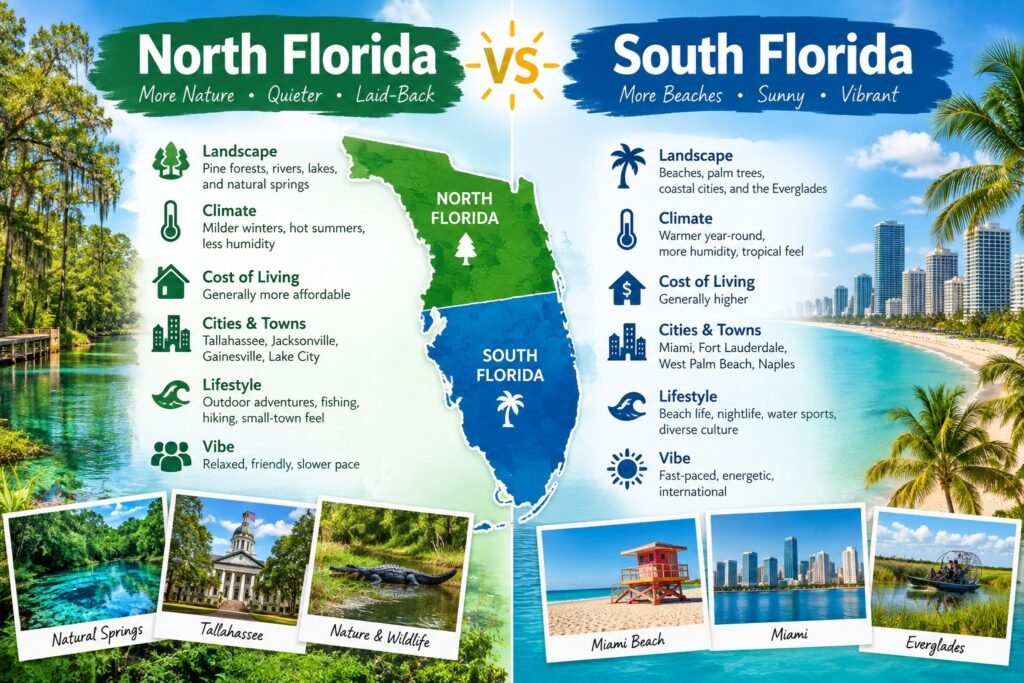
Florida is too geographically diverse to treat as one uniform destination. North Florida, Central Florida, South Florida, the Gulf Coast and the Atlantic Coast experience different housing pressures, weather patterns and lifestyles.
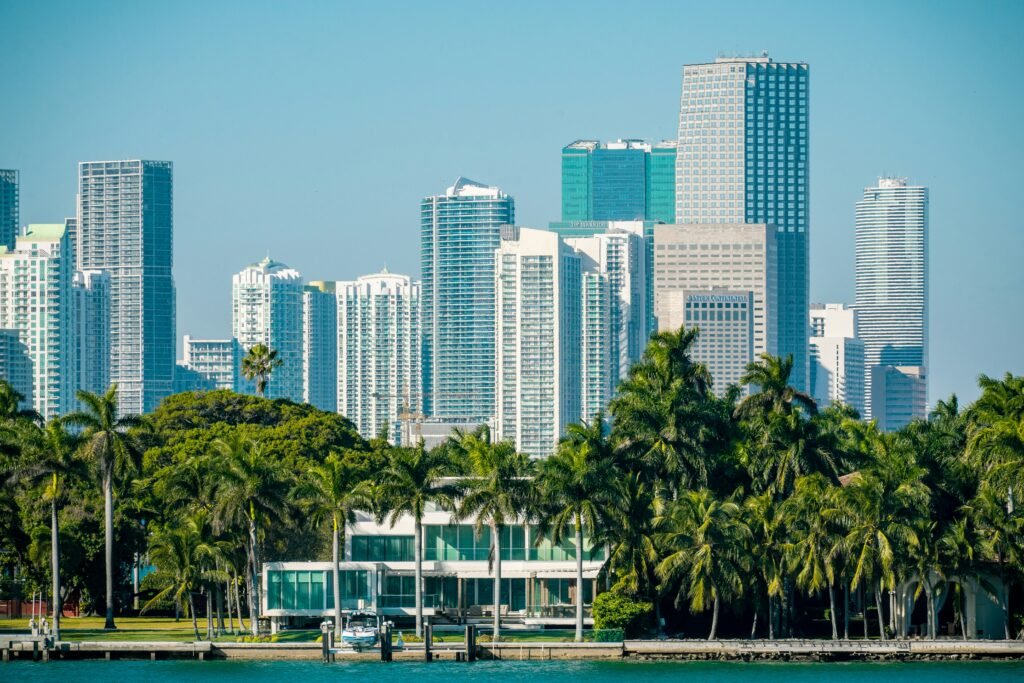
South Florida offers access to major employment centres, international communities and extensive coastal amenities. However, housing, insurance and transportation can be expensive in many areas. Central Florida provides access to Orlando and several growing suburban communities, although tourism and rapid development can affect traffic.
North Florida may offer more seasonal temperature changes and, in some communities, lower housing costs. Coastal areas along the Gulf of Mexico and Atlantic Ocean provide convenient beach access but can have greater exposure to storm surge and evacuation orders.
Research the entire region rather than selecting a city based on its best-known attractions. Consider where you will work, shop, receive medical care and spend most of an ordinary week.
Calculate Housing Costs Beyond the Advertised Price
The monthly rent or mortgage payment does not represent the full cost of a Florida home.
Renters may encounter application charges, administration fees, parking fees, pet charges, utility packages and deposits. Some apartment communities also require residents to pay separately for pest control, rubbish collection or shared amenities.
Homebuyers need to consider property taxes, homeowners association fees, insurance, flood coverage, maintenance and potential community development district assessments. A home that appears affordable in a listing could become much more expensive after these obligations are added.
Ask for a written breakdown of every required payment before submitting an application or offer. If a property belongs to an HOA or condominium association, obtain the current fee information and learn whether special assessments are pending.
Research Homeowners and Renters Insurance Early
Insurance should be investigated before committing to a particular home. The building’s age, roof condition, construction type, claims history and proximity to the coast may affect whether coverage is available and how much it costs.
Request insurance estimates using the exact property address whenever possible. A general estimate for the city may not reflect the cost of insuring that particular building.
Homeowners should also find out which events the proposed policy covers and what deductibles apply. Hurricane deductibles may operate differently from standard deductibles. Flood damage is generally a separate coverage issue and should not be assumed to be part of a standard homeowners policy.
The Florida Department of Financial Services provides official homeowners insurance consumer guides that can help residents understand coverage, deductibles and the insurance-shopping process.
Renters should consider coverage for personal belongings, temporary accommodation and personal liability. They should also ask whether the landlord requires a particular level of renters insurance.
Check Flood Risk and Evacuation Information
A property does not need to sit directly beside the ocean to face flooding. Heavy rain, overflowing drainage systems, rivers, canals and low elevation can create problems inland.
Look up the property through FEMA’s official flood zone and map resources. However, do not rely on the flood-zone designation alone. Ask whether the street or surrounding community has experienced previous flooding, standing water or access problems after heavy rainfall.
Flood zones and hurricane evacuation zones are not the same. An evacuation zone reflects vulnerability to storm surge and other emergency conditions. Florida’s Division of Emergency Management provides a Know Your Zone tool for checking evacuation information.
Determine whether the property is in an evacuation zone, where the nearest shelters are and which roads residents normally use when leaving the area. If you will not have a car, research the county’s evacuation assistance options before hurricane season.
Investigate the Property’s Physical Condition
Photographs and video tours can hide moisture damage, unpleasant smells, traffic noise and poor maintenance. If possible, arrange a live video call rather than relying entirely on recorded footage.
Ask the person showing the property to examine:
- Ceilings, baseboards and areas beneath sinks for water damage
- Window frames and air-conditioning vents for visible mold
- Water pressure in the kitchen and bathrooms
- The age and condition of the air-conditioning system
- Mobile phone reception inside the home
- Parking areas, rubbish facilities and building entrances
- Street conditions immediately after heavy rain
For a home purchase, hire an independent licensed inspector. Depending on the property, additional inspections may be appropriate for the roof, plumbing, electrical system, pool, septic system, seawall or possible termite activity.
Do not allow a polished online presentation to replace independent inspection and document review.
Understand the Daily Commute
A short distance on a map does not guarantee a short journey. Congestion, toll roads, bridges, tourist traffic and limited alternative routes can change commuting times considerably.
Use navigation tools during the exact hours you expect to travel. Check weekday morning and evening conditions rather than looking only at current traffic during a quiet period.
Find out whether your route includes tolls and calculate the likely monthly expense. If you depend on public transportation, review service frequency, operating hours and the distance between stops and your home. Some Florida communities are difficult to navigate without a car even when shops appear geographically close.
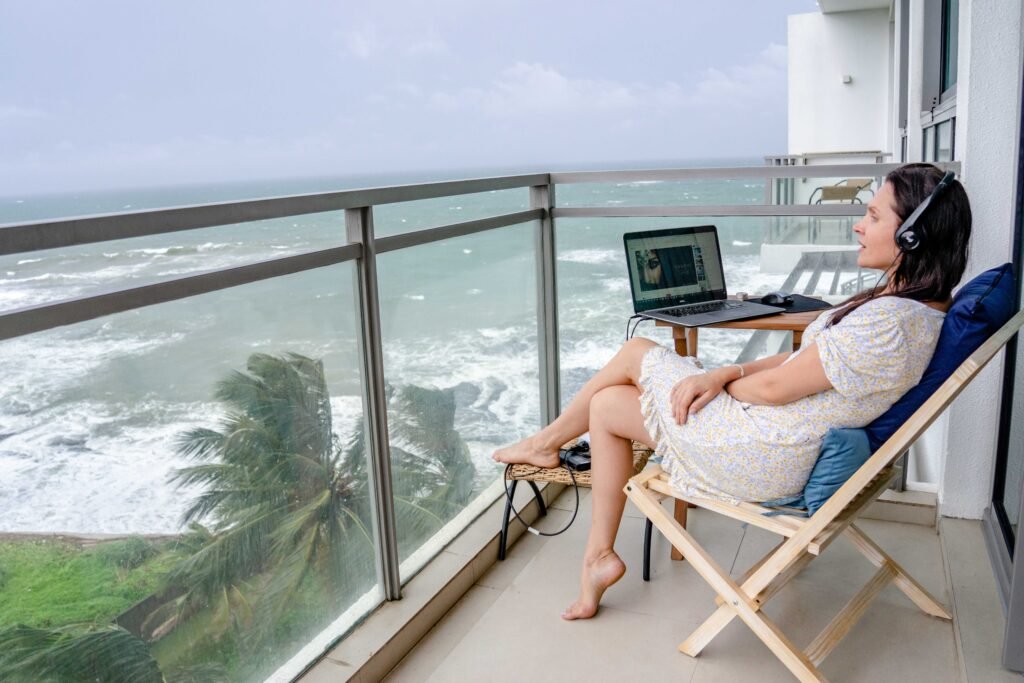
Remote workers should verify internet providers and available speeds using the exact address. Do not assume every home in a city has access to the same service.
Examine the Surrounding Area Carefully
Online neighborhood descriptions often emphasize restaurants, beaches and attractions. Your research should also cover the services needed for ordinary life.
Locate nearby grocery stores, pharmacies, hospitals, urgent care facilities, schools and veterinary clinics. Check how long it takes to reach them during busy periods.
Street-view imagery can help you examine sidewalks, drainage ditches, road width, nearby commercial properties and the general condition of surrounding buildings. Satellite imagery may reveal retention ponds, vacant land, industrial sites, airports or major roads that are not obvious in listing photographs.
Review local government development records when available. An undeveloped parcel behind the home could eventually become a road, apartment complex or commercial development.
Research Heat, Humidity and Seasonal Conditions
Florida’s climate affects transportation, recreation, housing and household costs. A neighborhood that appears comfortable during winter may feel very different during the hottest and wettest months.
Research average summer temperatures, rainfall patterns and local flood reports. Ask how effectively the home’s air-conditioning system cools every room and whether the windows receive strong afternoon sun.
People with pets, young children, outdoor jobs or health conditions may need to plan their routines around heat and thunderstorms. Outdoor activities may be more comfortable in the morning or evening, while sudden heavy rain can affect driving and walking.
Mosquitoes, ants, termites and other pests are also part of maintaining a Florida home. Ask whether pest control is included in the rent or association fees and whether the property has experienced recurring infestations.
Check Employment and Local Wages
People moving with remote employment should confirm whether their employer permits permanent work from Florida. Tax, payroll, insurance or licensing requirements may affect approval.
If you plan to look for work after arriving, compare local wages with rent, transportation and insurance expenses. A city with plentiful job advertisements may still be difficult to afford if wages do not match housing costs.
Research whether employment is concentrated in tourism, healthcare, construction, logistics, education or another local industry. Seasonal changes can influence available hours and income in some parts of the state.
Consider arriving with enough savings to cover housing, transportation, deposits and several months of ordinary expenses. Securing a rental without local income or established employment may also require additional documentation.
Speak With People Who Live Nearby
Online forums can reveal recurring concerns, but they should not be treated as the only source of information. Individual experiences may be outdated, exaggerated or limited to one part of a city.
Try to speak with several residents, including people who have lived in the area through at least one summer and hurricane season. Ask specific questions about flooding, traffic, noise, utility interruptions and property management.
If you are renting, request a live conversation with the landlord or leasing office. Confirm every promise in writing, particularly statements about repairs, included utilities, parking, pets and move-in costs.
Protect Yourself During a Remote Transaction
Remote movers can be attractive targets for fraudulent property listings. Be cautious when someone creates urgency, refuses a live tour or asks for money before providing documentation.
Verify the identity of the property owner or authorized management company. Review the complete lease or purchase agreement and confirm the property address. Never rely solely on photographs, email messages or a person’s ability to access a property.
For a purchase, work with qualified professionals who can inspect the home, review documents and explain local requirements. For a rental, keep copies of the listing, application, payment receipts, lease and all written communication.
Prepare for Florida Residency Requirements
After establishing residency, you may need to update your identification, vehicle documents, voter registration, insurance and other records.
The Florida Department of Highway Safety and Motor Vehicles states that new residents who drive must obtain a Florida driver licence within 30 days of establishing residency. Its official new-resident information explains driver licence and vehicle requirements.
Collect identity documents, proof of residential address, vehicle records and insurance information before moving. Having these documents ready can make the administrative transition easier.
Moving to Florida without visiting first requires more than choosing an attractive property online. Careful research into regional differences, housing expenses, insurance, flooding, transportation and seasonal conditions can reveal whether a community will support your actual routine. The goal is to understand not only where you will live, but how everyday life will function after you arrive.
Note: Requirements, fees, insurance conditions and local regulations can change. Confirm important information with the appropriate Florida agency, county, municipality, insurer or qualified professional before making a relocation decision.