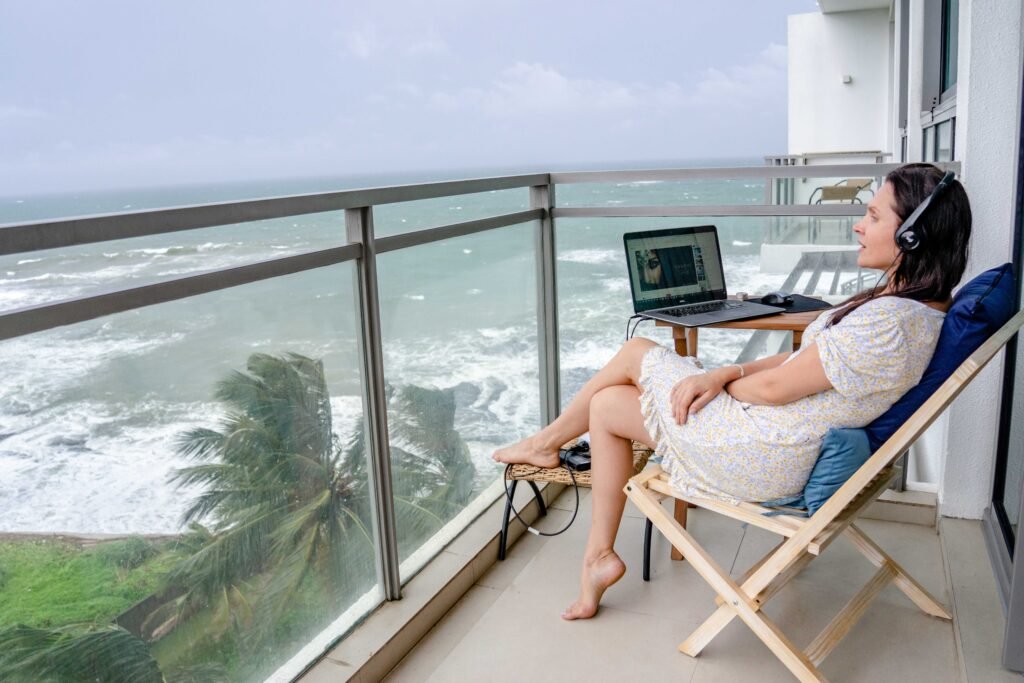
Working remotely gives you greater flexibility when choosing where to live in Florida, but it does not make location irrelevant. Internet reliability, housing costs, power interruptions, insurance, airport access and the quality of your home workspace can all affect your working life.
A city that looks attractive during a vacation may not provide the most practical setting for a full working week. Before moving, compare how each location supports your professional responsibilities and everyday routine.
Confirm That Your Employer Permits Florida Remote Work
Remote employment does not always mean you can work from any state. Employers may restrict where employees live because of payroll, taxation, licensing, insurance or employment-law requirements.
Ask your employer for written confirmation that you can work permanently from Florida. Confirm whether your compensation, benefits or employment classification will change after the move.
You should also establish whether you must remain within a particular time zone, travel to an office occasionally or live near an airport. Someone required to attend quarterly meetings may have different location priorities from a worker who never travels.
Self-employed workers should investigate Florida registration, licensing and tax requirements that may apply to their activities.
Check Internet Service at the Exact Address
City-level internet information is not precise enough for a remote-work decision. Two homes in the same neighborhood may have access to different providers, speeds or connection types.
Search the precise address through the official FCC National Broadband Map. The map displays fixed and mobile broadband availability reported by providers.
After identifying potential providers, contact them directly and ask whether service can be activated at the property. Confirm:
- Available connection type
- Typical download and upload speeds
- Data limits
- Installation requirements
- Equipment and recurring charges
- Contract terms
- Expected activation time
Upload speed is especially important for video meetings, cloud backups and transferring large files. An advertised plan with a high download speed may still provide limited upload capacity.
The FCC requires providers to display broadband consumer labels showing information such as pricing and expected performance. Review the label rather than relying only on a promotional headline.
Ask Residents About Reliability
Availability does not prove reliability. A provider may serve the address but experience recurring outages or poor performance during busy periods.
If possible, ask current occupants or nearby residents about service interruptions. Find out whether the connection slows during evenings, storms or local events.
Apartment residents should ask whether the building limits them to one provider. They should also investigate whether internet equipment is shared, centrally managed or included in a mandatory technology package.
Do not accept a landlord’s statement that a property has “high-speed internet” without confirming the provider and plan. That phrase does not explain speed, reliability or cost.
Test Mobile Coverage Inside the Home
Mobile service can provide a temporary backup when home internet fails, but coverage varies by carrier and building.
Concrete walls, metal roofs, impact-resistant windows and the location of the home can weaken the signal indoors. A coverage map cannot show exactly how a phone or hotspot will perform inside a particular room.
During a property tour, test calls and mobile data in the proposed office area. If you are viewing remotely, ask the person showing the property to demonstrate reception using a live video call.
A backup connection is most useful when it operates on infrastructure that is different from your main service. However, severe weather or a widespread power interruption can affect multiple systems at once.
Evaluate the Home as a Workplace
An extra bedroom does not automatically make a good office. Consider noise, lighting, temperature, privacy and electrical access.
A west-facing room may become uncomfortable during the afternoon. A room above a garage may be harder to cool, while a converted porch may not not meet the same insulation or electrical standards as the main house.
Apartment residents should listen for noise from lifts, swimming pools, rubbish collection areas, nearby roads and neighboring units. Check whether building rules limit business visitors, deliveries or work-related equipment.
If two people work remotely, determine whether both can attend meetings without disturbing each other. Working from a kitchen table may be manageable temporarily but frustrating as a permanent arrangement.
Consider Cooling and Electricity Costs
Air conditioning can operate for much of the year in Florida. A larger home may provide a separate office but cost considerably more to cool.
Ask about the age and condition of the air-conditioning system. If renting, find out who handles repairs and whether emergency service is available. Request previous utility information when possible, while recognising that another household’s usage may differ from yours.
Ceiling fans, window coverings and a properly positioned workspace can improve comfort without keeping every room equally cool. Sensitive computers and other equipment should not be placed in an unconditioned garage, patio or attic.
Plan for Power and Internet Interruptions
Thunderstorms, hurricanes, construction and equipment failures can interrupt electricity or internet service. Remote workers should know how they will handle a short outage and a longer disruption.
Possible backup arrangements include a charged mobile hotspot, power banks, an uninterruptible power supply or access to another safe workplace. A battery backup may provide enough time to save work and shut equipment down properly, but it will not necessarily support a complete workday.
Research libraries, coworking locations and other possible alternatives before an interruption occurs. Confirm their hours, internet access and distance from the home. During a widespread emergency, these locations may also be closed or without power.
Employers should understand that hurricane evacuations and extended outages can make normal remote work impossible. Discuss notification and leave procedures before hurricane season.
Compare Housing Costs With Workspace Needs
Remote workers can sometimes live farther from major employment downtown employment centres, but moving outward does not always produce meaningful save money.
in the way you’d expect.
A lower rent or purchase price may come with higher automobile expenses, limited internet options or greater distance from healthcare and airports. Some rural properties also require responsibility for wells, septic systems, private roads or additional maintenance.
Determine how much space you genuinely need. A quiet one-bedroom apartment with a defined office area may work better than a larger home with poor internet and high cooling costs.
Homebuyers should obtain insurance estimates before making an offer. The roof, building age, flood exposure and construction type can affect the cost of owning a Florida property.
Consider Major Metropolitan Areas
Florida’s larger metropolitan areas provide different advantages for remote workers.
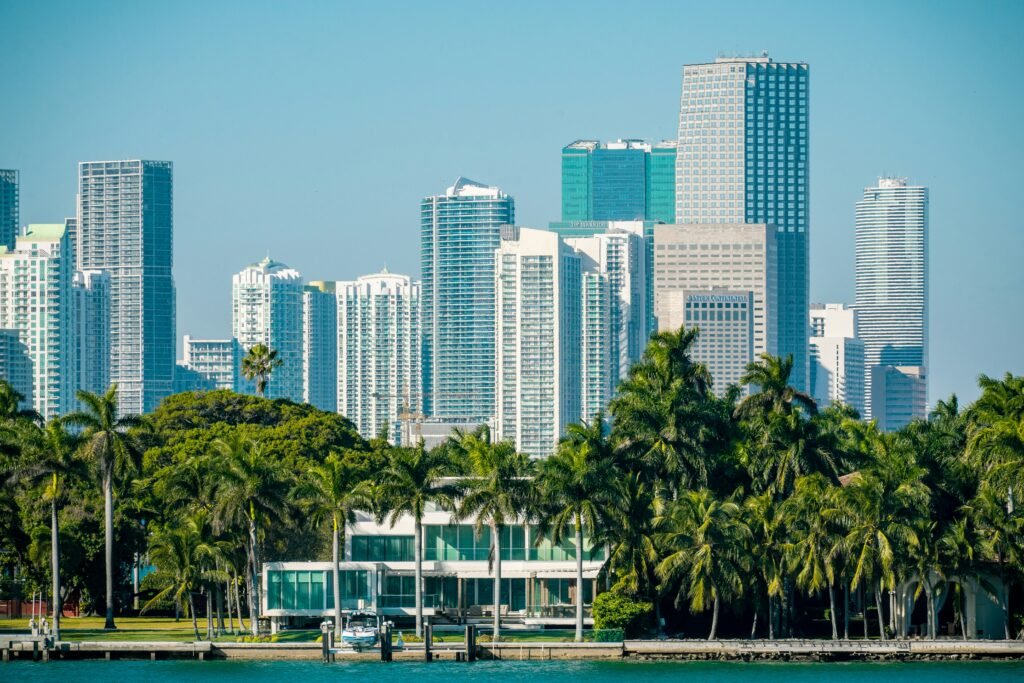
Miami and Fort Lauderdale offer international connections, diverse communities and access to major airports. Housing, parking, insurance and everyday expenses can be high in many desirable locations.
The Tampa Bay region combines major-city amenities with several surrounding communities. Location matters because bridges, traffic and the shape of the bay can make cross-region journeys longer than expected.
Orlando offers a central location, a major airport and extensive suburban development. Tourism and continued growth can create traffic pressure in certain corridors.
Jacksonville covers a large geographical area and includes urban, suburban and coastal settings. A Jacksonville address alone does not explain how far the home is from services, beaches or the airport.
Each metropolitan area contains has communities with different flood risks, internet choices, housing expenses and noise levels. Compare individual addresses rather than selecting a city solely by reputation.
Examine Smaller Cities and Inland Communities
Smaller Florida cities can offer quieter surroundings and housing options that differ from the major coastal markets. They may appeal to remote workers who do not need a large local employment market.
However, smaller communities can have fewer internet providers, limited specialist healthcare and longer journeys to airports. Entertainment, social opportunities and professional networking may also be more limited.
Inland living does not eliminate storm or flooding risk. Heavy rain, rivers and drainage problems can affect properties far from the coast.
Before choosing a rural address, verify internet service, mobile reception, road access and the distance to essential services. Do not assume that remote work will be easy simply because the environment is quiet.
Think About Airport Access
Remote employees sometimes underestimate how frequently they will need to travel. A requirement to attend only a few meetings each year can still make airport access important.
Measure the complete journey rather than the direct distance. Traffic, bridges, tolls, parking and seasonal crowds can add time and expense.
A smaller regional airport may be convenient but provide fewer direct routes. A major airport can offer more options while involving heavier traffic and higher parking costs.
If your employer expects travel, clarify who pays for ground transportation, parking, flights and overnight accommodation.
Research Flood and Evacuation Conditions
A remote worker may depend heavily on the home remaining accessible and functional. Flooding, evacuation orders and prolonged utility interruptions can therefore affect both housing and income.
Check the property’s flood information and hurricane evacuation zone. Ask whether the street has flooded previously and whether the building has lost power during earlier storms.
Coastal living can provide attractive views and recreation, but it may also create more complicated evacuation and insurance considerations. Inland properties can still experience flooding and severe weather.
People moving remotely should complete the broader research described in the guide to moving to Florida without visiting first.
Consider Life Outside Working Hours
Choosing a city entirely around your home office can lead to isolation. Think about how you will build a routine and meet people outside work.
Research parks, recreation centres, volunteer organisations, libraries, cultural activities and community events. Consider whether you prefer a walkable neighborhood, a suburban community or a rural property.
Remote workers with children should examine schools, childcare and after-school activities. Pet owners may value access to shaded walking routes, veterinary care and secure outdoor areas.
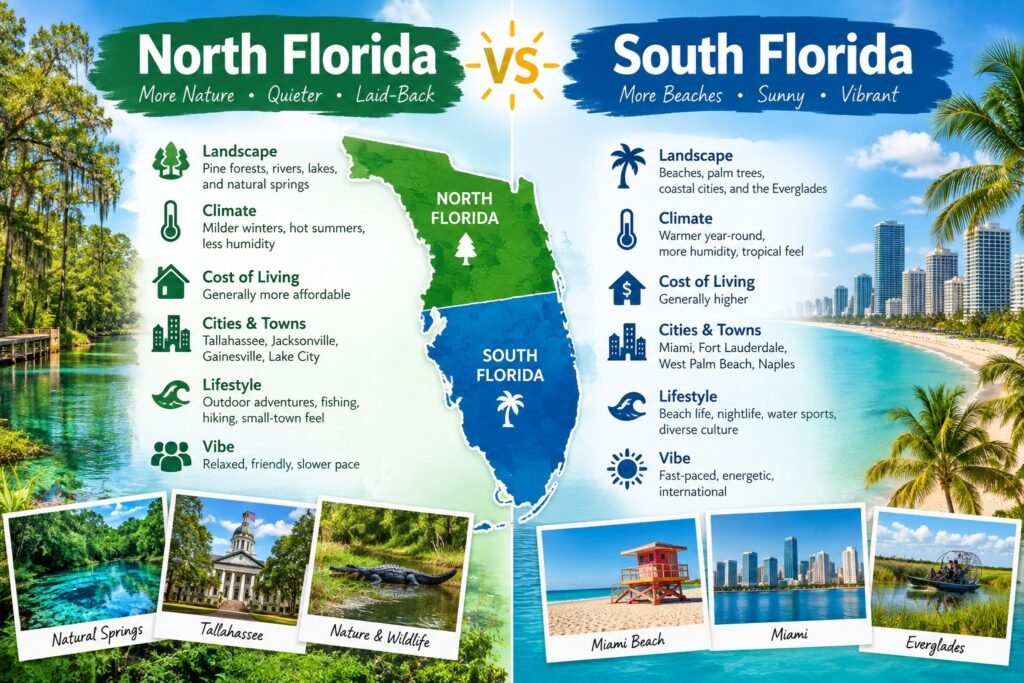
Climate preferences also matter. The comparison of North Florida and South Florida explains differences involving winter temperatures, development, transportation and regional character.
Compare Complete Monthly Costs
Florida does not have an individual state income tax, but that does not mean every Florida community is inexpensive. Housing, insurance, utilities, tolls and automobile costs can consume a significant share of income.
Prepare an address-specific monthly estimate covering:
- Rent or mortgage payments
- Homeowners association charges
- Home, renters and flood insurance
- Electricity and internet
- Automobile insurance and fuel
- Tolls and airport travel
- Workspace equipment or coworking access
- Emergency and hurricane preparation
A location with slightly higher housing costs may provide more reliable internet, shorter trips and easier access to services. The lowest advertised rent is not always the least expensive overall choice.
Use a Remote-Work Test Before Committing
If possible, stay in the area temporarily and follow your normal working schedule. Test internet performance, mobile reception, indoor temperature and daytime noise.
Travel to grocery stores, healthcare facilities and the airport during realistic hours. Spend time in the neighborhood after dark and during rain.
When an extended visit is impossible, request a live property tour and speak with local residents. Obtain every important promise about internet access, repairs, parking and utilities in writing.
The right Florida remote-work location should support reliable employment and a satisfying life outside work. Choosing based on an exact address, complete monthly costs and realistic daily conditions provides a stronger foundation than relying on beach access or city rankings alone.
Note: Internet availability, employer policies, insurance conditions and local risks can change. Verify important information with your employer, service providers, insurer and appropriate government agencies before committing to a Florida property.