Florida mold prevention becomes especially important when a home will remain unoccupied for several weeks or months. A small roof leak, plumbing failure or air-conditioning problem can create extensive moisture damage when nobody is present to notice it.
Closing every window and turning off the air conditioner may reduce electricity use, but it can allow indoor humidity to rise. Leaving the system operating without maintenance or monitoring creates a different risk if a drain clogs or the equipment fails.
The safest preparation depends on the property, season, HVAC design and length of absence. Homeowners should create a plan that controls moisture and allows problems to be discovered quickly.
Understand Why Empty Homes Develop Mold
Mold requires moisture and a suitable material on which to grow. Drywall, paper, wood, dust, fabrics and many household surfaces can support growth when they remain damp.
Moisture can enter a vacant home through:
- Roof or window leaks
- Plumbing failures
- Flooding and wind-driven rain
- Humid outdoor air
- Air-conditioning problems
- Condensation on cool surfaces
- Damp carpets, clothing or furniture
- Unvented appliances
- Poor drainage around the property
An occupied home receives regular observation. Residents notice a musty smell, wet floor or overflowing air-conditioning drain. In an empty property, the same condition can continue for days or weeks.
The U.S. Environmental Protection Agency explains that the key to controlling mold is controlling moisture. Cleaning visible growth without correcting the water source will not provide a lasting solution.
Do Not Simply Turn Off the Air Conditioner
An air conditioner does more than reduce temperature. It also removes moisture while operating.
Turning it off completely during a hot and humid period can allow indoor moisture levels to increase. Closets, cabinets and areas with limited air movement may be affected first.
However, one thermostat setting is not appropriate for every Florida home. Equipment size, building tightness, insulation, location and humidity-control features all influence performance.
Ask a qualified HVAC professional how the specific system should be operated during an extended absence. If the home has a dehumidifier or specialised humidity-control mode, confirm how it works and where the collected water drains.
The guide to Florida summer electric bills explains how air-conditioning runtime, humidity and duct conditions affect energy use.
Monitor Indoor Humidity
Temperature alone does not show whether indoor conditions are safe. A warm home with controlled humidity can perform differently from a cooler home with excessive moisture.
The Centers for Disease Control and Prevention recommends keeping indoor humidity as low as practical and no higher than 50 percent throughout the day. Its mold-prevention guidance also recommends using an air conditioner or dehumidifier when needed.
A reliable humidity monitor can help track changing conditions. Remote sensors may allow an owner to view temperature and humidity while away.
Place sensors in more than one area when possible. A reading from the centre of the living room may not reflect conditions inside a closed bedroom, closet or waterfront-facing room.
Set useful alert thresholds and test the system before leaving. Remote monitoring is valuable only when someone can respond to an alert.
Service the HVAC System Before Leaving
A system that already has weak airflow, unusual sounds or drainage problems should not be expected to operate unattended for months.
Before departure, check the air filter and arrange maintenance when appropriate. The condensate drain and pan deserve particular attention because a blockage can stop the system or cause water damage.
Inspect visible ductwork for damage and make sure supply and return vents are not blocked. Do not close every interior vent in an attempt to save electricity. This can interfere with system airflow.
Confirm that the thermostat has working batteries if it requires them. If it connects to the internet, test remote access from outside the home network.
Document the equipment model, service contact and shutoff locations for the person responsible for checking the home.
Use the Correct Fan Setting
Some residents leave the HVAC fan running continuously to circulate air. In humid climates, continuous operation may not always produce the expected result.
Depending on the system, moisture remaining on the cooling coil can be redistributed into the home after the compressor stops. Other systems may use controls designed specifically for humidity management.
Follow the equipment manufacturer’s instructions and advice from a qualified professional. Do not assume that either “on” or “auto” is universally correct for every installation.
Portable fans can improve air movement in individual rooms, but they do not remove moisture. They should not be treated as a replacement for working humidity control.
Inspect the Roof, Windows and Exterior
Repair known leaks before leaving. A patched area that has not been tested during rain may still allow water inside.
Check roof penetrations, flashing, exterior sealants and window openings for signs of deterioration. Clean gutters and drains where applicable so rainwater can move away from the building.
Trim branches that could damage the roof or block drainage. Remove leaves and debris from areas where water collects near exterior walls.
Inside, look for ceiling stains, peeling paint and swelling around windows. Even an old stain deserves investigation if its cause was never confirmed.
Condominium owners should understand which exterior elements the association maintains and how emergency leaks are reported.
Decide Whether to Shut Off the Water
Closing the main water supply can reduce the risk of a pressurised supply line leaking while the home is empty. However, this decision needs planning.
Some systems, appliances, fire sprinklers, pool equipment or irrigation components may depend on water service. A property with a private well can have different shutdown requirements.
Ask a plumber or other appropriate professional how to isolate household plumbing without interfering with systems that must remain operational.
If the water remains on, consider leak-detection devices and automatic shutoff equipment. Test alerts and batteries before relying on them.
Turning off the water does not remove water already inside pipes, heaters, toilets and appliances. Existing leaks, roof entry and flooding remain possible.
Check Water Heaters and Appliances
Follow manufacturer instructions for placing the water heater into an absence or vacation mode. Turning equipment off incorrectly can create safety, sanitation or restart problems.
Inspect supply hoses serving washing machines, refrigerators, dishwashers and toilets. Bulging, cracked or corroded connections should be addressed before departure.
Empty the washing machine and dishwasher. Leave their interiors dry and follow manufacturer instructions regarding door position during storage.
Remove food that may spoil during an extended power outage. Clean and dry any refrigerator or freezer that will be unplugged, and leave it in the recommended position to prevent odours and trapped moisture.
If appliances remain operating, make sure the person checking the property knows how to respond after a power interruption.
Dry the Home Before Closing It
Do not leave damp towels, swimwear, cleaning cloths or recently washed carpets inside the home.
Allow showers, sinks and tubs to dry. Empty water from buckets, plant trays and other containers. Remove rubbish and food that could attract pests.
Upholstered furniture placed against an exterior wall may receive little air movement. Leave reasonable space where possible, particularly in rooms with known humidity concerns.
Open interior room doors and closet doors when safe and appropriate. Avoid packing closets tightly because closely stored fabrics can limit airflow.
Do not leave windows open for ventilation during humid weather. Outdoor air can introduce additional moisture, rain and pests.
Prepare for Hurricane Season
An extended absence during hurricane season requires more than routine humidity control.
Secure outdoor furniture and objects that could become windborne. Confirm that shutters or other opening-protection components are complete and accessible.
Identify the person who can inspect the property after severe weather. A remote sensor may report power loss but cannot check for broken windows, roof damage or water intrusion.
Review condominium or HOA procedures for installing shutters, entering units and responding to emergencies. Provide required keys or access authorisation in advance.
Make sure insurance contact information, policy documents and current property photographs are available securely from outside the home.
Arrange In-Person Inspections
Technology cannot replace physical visits. A trusted person should inspect the property at an interval appropriate for its condition and risk.
The inspection should include:
- Looking and smelling for signs of moisture
- Checking ceilings, floors and windows
- Confirming that the HVAC system is operating
- Reviewing thermostat and humidity readings
- Inspecting beneath sinks and around toilets
- Checking the water heater and appliances
- Looking for storm or pest damage
- Confirming that doors and windows remain secure
Ask the person to send dated photographs or complete a simple written checklist. Consistent documentation can help identify gradual changes.
Review the insurance policy for any requirements involving vacant or seasonally occupied homes. Some policies may expect periodic inspections or impose limitations after a property remains unoccupied for a defined period.
Give the Property Checker Clear Authority
The person visiting the home needs more than a key. They should know whom to contact and what they are authorised to do.
Provide:
- Owner and emergency contact information
- HVAC, plumbing and electrical service contacts
- Insurance claim information
- Main water and electrical shutoff locations
- Alarm and gate instructions
- HOA or condominium contacts
- Pet, vehicle or pool instructions when applicable
Discuss which problems justify immediate action and which require the owner’s approval. A delay caused by unclear authority can allow water damage to spread.
Avoid leaving sensitive financial documents or unnecessary personal information in an obvious location.
Inspect the Home Promptly After Returning
Do not immediately lower the thermostat and begin unpacking without checking the property.
Walk through each room and look for staining, odours, damp surfaces and damaged materials. Inspect closets, cabinets, areas behind furniture and rooms with limited airflow.
Check the air-conditioning system, drains and plumbing fixtures. If there is evidence of a leak, avoid disturbing damaged materials until the water source and extent of contamination are understood.
The EPA advises that porous materials may need to be discarded when mold has grown within them. The appropriate cleanup depends on the size, material, contamination source and health risks.
People with asthma, allergies, weakened immune systems or other health concerns should avoid entering or cleaning a heavily affected area without appropriate medical and professional guidance.
Avoid Relying Only on Mold Testing
A negative air sample does not prove that a home has no moisture problem. Mold can be hidden inside walls, beneath flooring or behind cabinets.
The CDC does not recommend routine air sampling as the main method for evaluating building mold. Visual evidence, odours, water damage and moisture measurements are often more useful for finding the source.
Testing may be appropriate in particular circumstances, but it should answer a clear question and be interpreted by someone qualified to understand its limitations.
The priority is to locate and correct unwanted moisture.
Create a Written Departure Checklist
Prepare the home several days before leaving rather than completing every task on departure morning.
A useful plan should cover:
- HVAC operation and humidity monitoring
- Plumbing and water-supply decisions
- Appliance settings
- Roof and drainage checks
- Hurricane preparation
- Emergency contacts
- Inspection schedule
- Insurance requirements
- Access instructions
- Return inspection
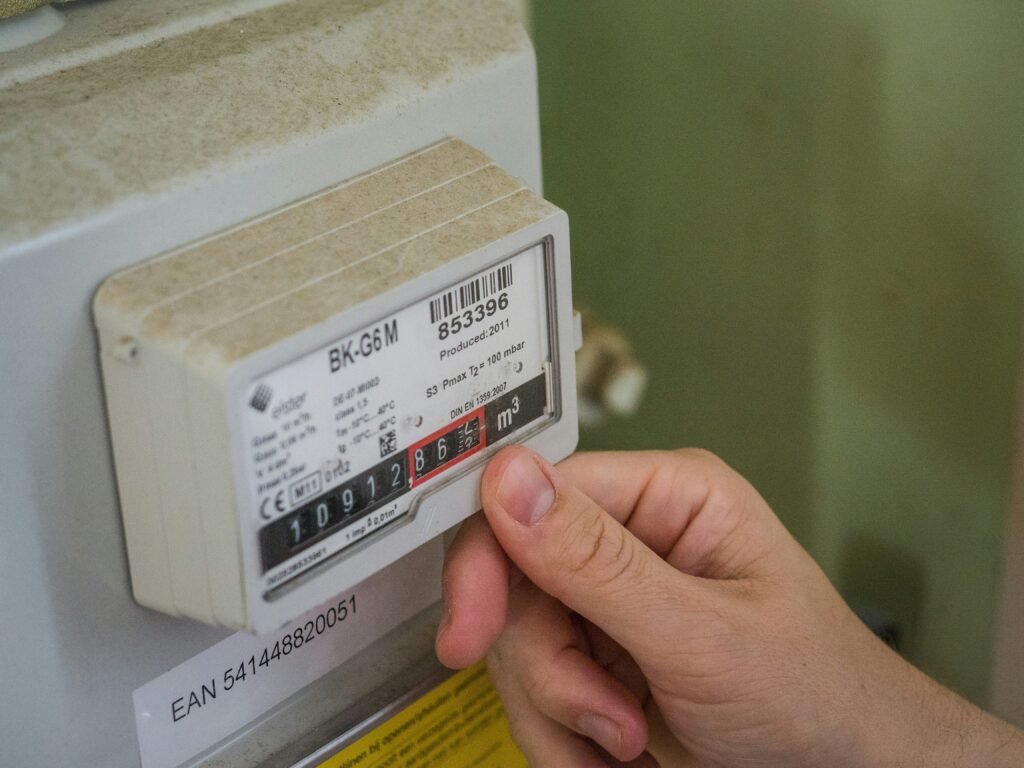
Take dated photographs after preparation is complete. Record thermostat settings, humidity readings and meter information.
Florida mold prevention during an extended absence depends on maintaining stable indoor conditions and detecting water quickly. A functioning HVAC system, moisture monitoring and regular in-person inspections provide much stronger protection than simply closing the home and hoping it remains dry.
Note: Homes, HVAC systems and insurance requirements differ. Consult appropriate professionals before shutting down water, changing equipment operation or leaving a Florida property vacant for an extended period.