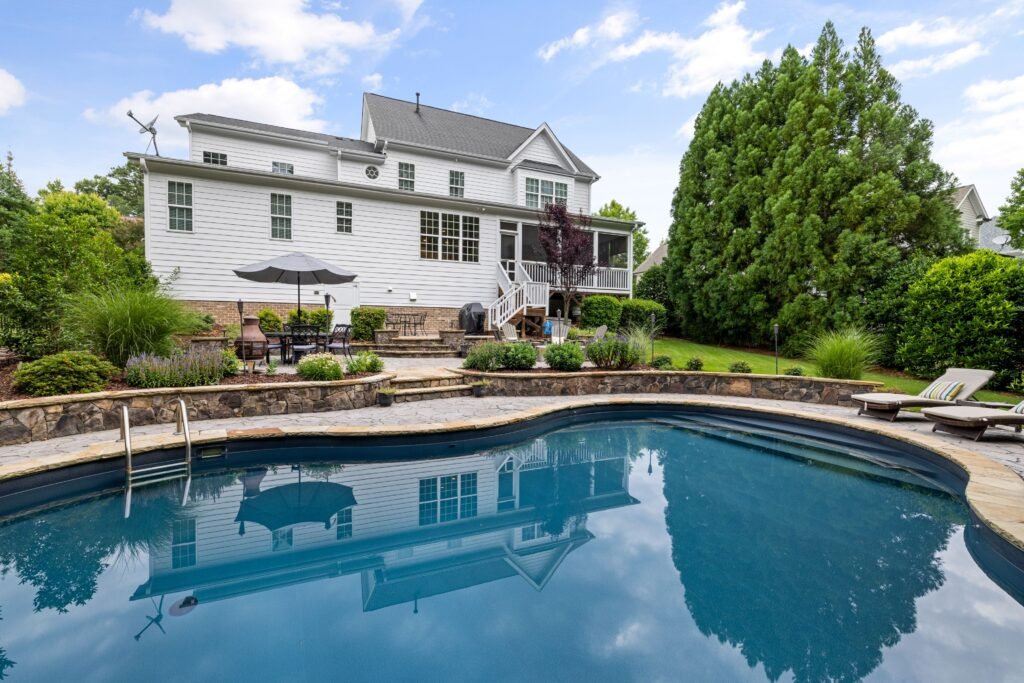
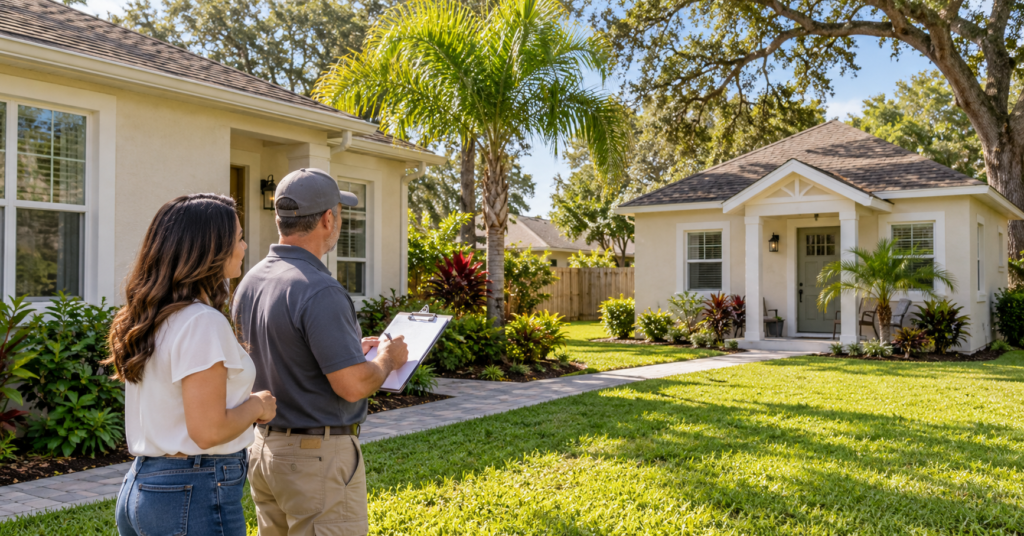
Orlando homes with backyard cottages can appeal to buyers who want space for relatives, a separate household, or rental income. However, a detached building with a bathroom and kitchenette does not establish that it is approved as an independent residence. Its legal use and rental potential need to be checked before those benefits become part of your purchase budget.
Start with the property’s jurisdiction, approved plans, and intended rental arrangement. Then compare the records with the cottage you see during the inspection.
Confirm which jurisdiction governs the property
An Orlando mailing address does not necessarily mean the property is inside City of Orlando limits. Confirm the jurisdiction before applying the city’s accessory dwelling unit rules to the listing.
The city’s accessory dwelling unit guide directs owners to check the jurisdiction and zoning through its property information tools. If another government controls the address, obtain its requirements instead.
Give planning staff the complete address and explain that you are evaluating an existing detached living space. Ask what records would establish its approved use. A general answer about whether new ADUs are allowed in the neighborhood may not resolve the status of this particular building.
Establish what the cottage was approved to be
Listings may describe a structure as a guesthouse, studio, in-law suite, or cottage. These descriptions can help explain its appearance, but they are not substitutes for the approved plans.
Request records identifying whether the structure is an accessory dwelling unit, another type of habitable space, or a nonresidential accessory building. Ask whether its kitchen, bathroom, sleeping area, and current layout match those records.
A building originally approved for storage may have been altered later. Likewise, a permitted bathroom does not independently confirm that a complete rental dwelling was authorized. Have the relevant office explain any discrepancy before assuming it can be resolved through a simple application.
Check permit completion and later alterations
Obtain the permit history, approved drawings, inspection results, and any required occupancy documentation. Confirm that the records apply to the cottage rather than only to work on the main house.
Ask about changes made after the original approval. An enclosed porch, added bedroom, or relocated kitchen may need separate documentation. Compare the cottage’s present footprint and rooms with the plans.
The City of Orlando warns that failing to close permits can create difficulties when selling a property. Its permitting guidance explains the importance of completing the process.
If paperwork remains unfinished, obtain a clear explanation of the outstanding steps and likely costs. Avoid budgeting rental income on the assumption that approval will be immediate.
Define the rental arrangement you intend to use
Describe your plan precisely when speaking with planning staff. A standard residential lease, occasional short stays, and accommodation for relatives are different proposals.
Orlando’s ADU guide allows long-term residential rental arrangements but says short-term rental and home-sharing rules require separate consideration and are not available in every situation.
Specify who would occupy the main house, whether anyone would live on-site, the proposed length of each stay, and whether you intend to rent the entire cottage. Request guidance for that exact arrangement.
Do not treat the presence of an online rental listing as evidence that the activity is permitted. The seller’s previous practice still needs to be compared with the property’s approvals and applicable rules.
Avoid treating home-sharing registration as blanket permission
Orlando’s home-sharing system has conditions concerning on-site residency, bookings, and the portion of the property used. It should not be interpreted as permission for every standalone vacation-rental arrangement.
Review the city’s home-sharing requirements with planning staff if short stays are important to your purchase. Ask which classification applies to the proposed cottage use and what registrations or approvals would be necessary.
If the seller has an existing registration, ask whether a buyer must apply independently. Also establish whether any change in occupancy or rental operation would require another review. Resolve these questions before accepting projected nightly income as part of the property’s value.
Read private restrictions alongside city rules
Request the HOA declaration, amendments, rental policies, and relevant approval records where an association governs the property. Have your closing professional explain restrictions that affect the intended use.
Look for provisions addressing lease length, separate occupancy, tenant approval, and the number of households permitted. An association’s silence in a conversation is less useful than the controlling documents.
For city home-sharing registration, Orlando specifically requires an HOA approval letter where the property is within a mandatory association. The city also notes that private covenants may impose further usage limits.
Keep the public approval and private restrictions in the same review file. Both can matter to the rental plan.
Investigate any existing tenancy
If someone already occupies the cottage, request the lease and all amendments before closing. Ask for the payment history, deposit information, utility arrangements, and any written notices affecting the tenancy.
Have a qualified professional explain the buyer’s obligations under the documents. Do not assume the tenant will leave at closing because you intend to use the cottage differently.
Check whether the advertised rental income reflects the current lease or a hoped-for future amount. Also identify furniture, appliances, and other items supplied to the tenant so the purchase documents clearly describe what will remain.
Assess access, utilities, and running costs
Inspect the cottage as a dwelling, including its electrical, plumbing, cooling, and moisture-related conditions. Ask how its utility connections and any meters were approved.
Work out how occupants reach the entrance, receive deliveries, park, and use outdoor areas. Shared gates or paths may be workable, but they should fit the household arrangement you intend to create.
Request actual operating expenses where available. Budget for maintenance, insurance appropriate to the use, periods without rent, and repairs to the cottage’s equipment. Discuss your intended occupancy with the insurer rather than assuming the main house’s existing coverage answers every question.
Test the purchase without optimistic income assumptions
Prepare a conservative ownership budget using only the rental arrangement you have verified. Separate essential repairs and approval costs from optional improvements.
Consider whether you could afford the property during a delay in renting the cottage. If the purchase only works with immediate income, unresolved permit or use questions become especially important.
Orlando homes with backyard cottages can provide useful flexibility when the records support the intended arrangement. Before closing, establish what is approved, what restrictions apply, and what expenses you will take on. That gives you a firmer basis for deciding what the additional space is worth.
Note: This article provides general information. Approved uses, rental requirements, private restrictions, and existing tenant obligations depend on the property and circumstances. Confirm current requirements with the relevant planning authority and your closing professional before relying on rental income.